SWAN

Credits
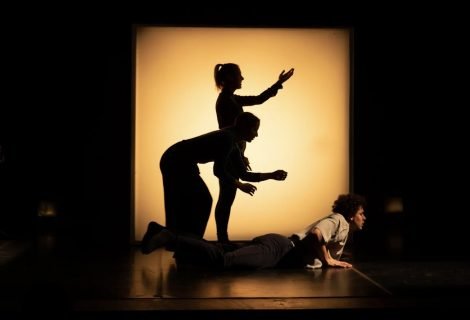
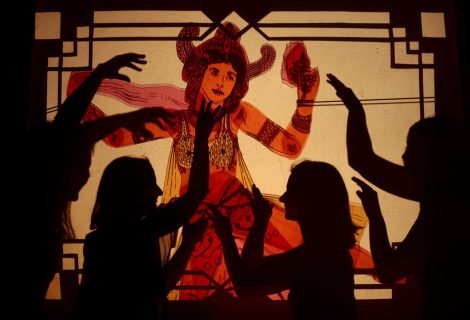
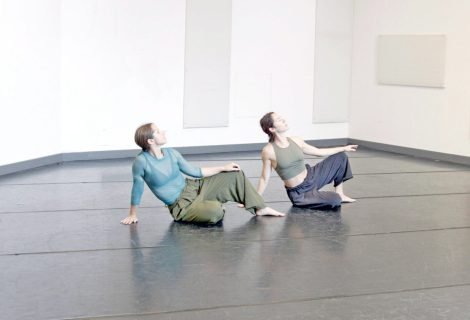
choreography and dance by Camilla Monga
music Filippo Vignato, Emanuele Maniscalco, Valentina Fin and Manuel Caliumi ( at each performance the musicians change )
lighting design and stage design Camilla Monga
technical consulting Walter Ballini
production SWANS NEVER DIE project by: Lavanderia a Vapore Centro di Residenza per la Danza (Piemonte dal Vivo – Circuito Multidisciplinare dello Spettacolo, Coorpi, Didee Arti e Comunicazioni, Mosaico Danza, Zerogrammi); Operaestate Festival Veneto and Centro per la Scena Contemporanea CSC Bassano del Grappa; Triennale Milano Teatro; Fondazione Teatro Grande di Brescia; Festival Bolzano Danza – Fondazione Haydn; Gender Bender Festival; “Memory in Motion. Re-Membering Dance History (Mnemedance)” – Ca’ Foscari University Venice; DAMS – University of Turin / co-production Cultural Association VAN
With the contribution of the Ministry of Culture, Emilia-Romagna Region, Municipality of Bologna
photo Andrea Macchia
2021
The Swans never die project proposes to look at The Death of the Swan as a field of experimentation of styles, techniques, identities and cultures between reinvention and citation, and between history and memory, in order to acquaint today’s audiences with the many forms of dance’s existence over time.
Camilla creates her revisitation in this regard, in which music and dance evoke the interpretive freedom of the historical dancer Anna Pavlova, which testifies to how even at that time choreographic writing could be based on improvisation and was inseparable from the subjectivity of the performer.
Trombonist Filippo Vignato, multi-instrumentalist Emanuele Maniscalco, singer Valentina Fin and saxophonist Manuel Caliumi become authors of a musical rewriting between improvisation and structure of Saint Saëns’ original.
Their project starts from a crasis that also reverberates an artistic synesthesia, that between dance and music. The crasis is in the invented title of this piece, a union of the noun Swan (swan, in English) and part of the composer’s surname used by Mikhail Fokin for the original ballet, Camille Saint-Saëns. Here, then, is Swaën manifesto of an open work that is enriched through new choreographic and musical interpretations to affirm the ever-valuable value between music and dance.
Related Projects